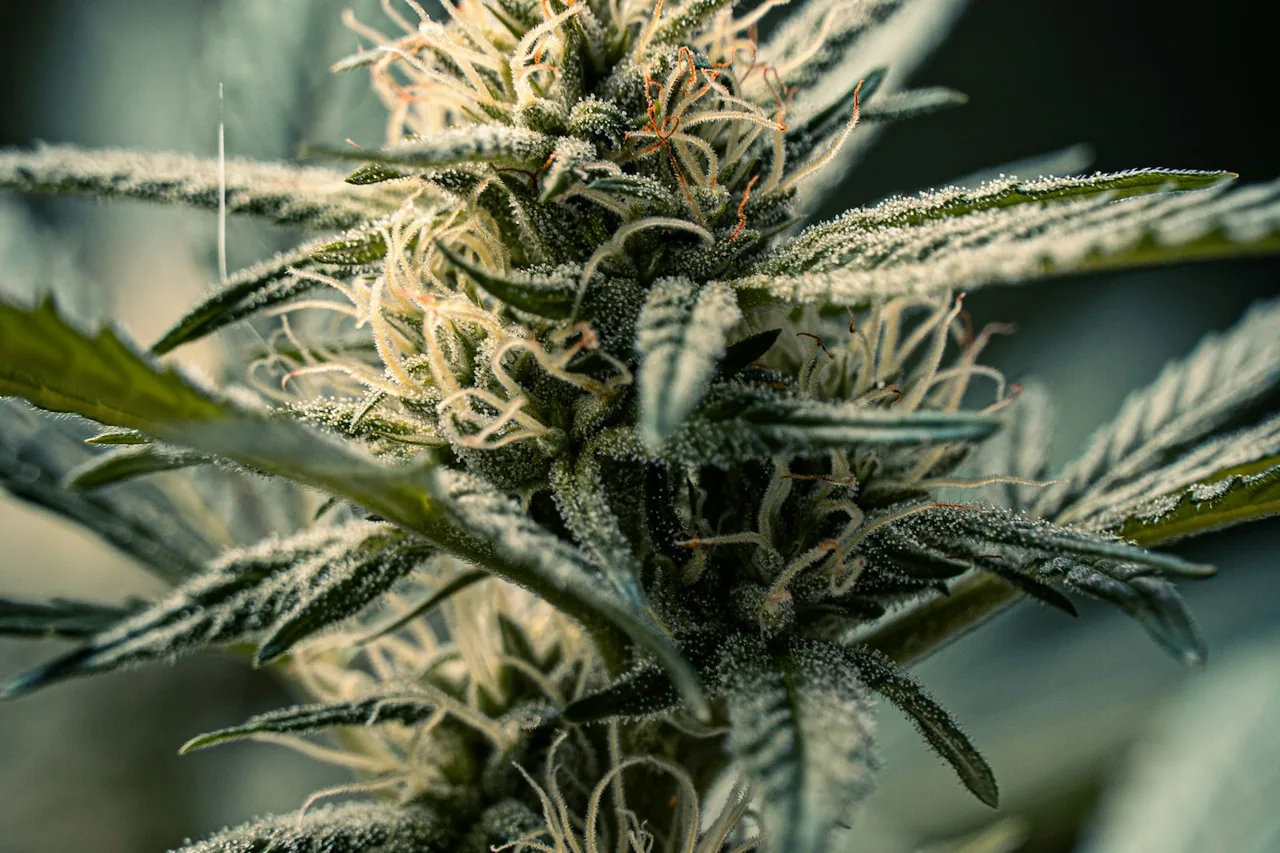
Natural does not mean harmless
Natural does not mean harmless is most useful when treated as a question to investigate rather than a slogan to accept. In cannabis science, the same term may be used by researchers, regulators, manufacturers and consumers with different levels of precision. Begin by identifying which meaning the source actually supports.
Next, separate observable information from interpretation. A product name, plant description or label may offer clues, yet it cannot establish a medical outcome, personal response or legal status everywhere. Batch information, transparent methods and current first-party rules are more informative than confidence alone.
Finally, consider the decision attached to the claim. If it affects health, medication, pregnancy, driving, travel or legal exposure, general reading is not enough. Use qualified professional guidance and the official authority with jurisdiction over that decision.
More THC is not automatically better
More THC is not automatically better is most useful when treated as a question to investigate rather than a slogan to accept. In cannabis science, the same term may be used by researchers, regulators, manufacturers and consumers with different levels of precision. Begin by identifying which meaning the source actually supports.
Next, separate observable information from interpretation. A product name, plant description or label may offer clues, yet it cannot establish a medical outcome, personal response or legal status everywhere. Batch information, transparent methods and current first-party rules are more informative than confidence alone.
Finally, consider the decision attached to the claim. If it affects health, medication, pregnancy, driving, travel or legal exposure, general reading is not enough. Use qualified professional guidance and the official authority with jurisdiction over that decision.
Strain names do not guarantee effects
Strain names do not guarantee effects is most useful when treated as a question to investigate rather than a slogan to accept. In cannabis science, the same term may be used by researchers, regulators, manufacturers and consumers with different levels of precision. Begin by identifying which meaning the source actually supports.
Next, separate observable information from interpretation. A product name, plant description or label may offer clues, yet it cannot establish a medical outcome, personal response or legal status everywhere. Batch information, transparent methods and current first-party rules are more informative than confidence alone.
Finally, consider the decision attached to the claim. If it affects health, medication, pregnancy, driving, travel or legal exposure, general reading is not enough. Use qualified professional guidance and the official authority with jurisdiction over that decision.
CBD can have risks and interactions
CBD can have risks and interactions is most useful when treated as a question to investigate rather than a slogan to accept. In cannabis science, the same term may be used by researchers, regulators, manufacturers and consumers with different levels of precision. Begin by identifying which meaning the source actually supports.
Next, separate observable information from interpretation. A product name, plant description or label may offer clues, yet it cannot establish a medical outcome, personal response or legal status everywhere. Batch information, transparent methods and current first-party rules are more informative than confidence alone.
Finally, consider the decision attached to the claim. If it affects health, medication, pregnancy, driving, travel or legal exposure, general reading is not enough. Use qualified professional guidance and the official authority with jurisdiction over that decision.
Colorado rules are not identical everywhere
Colorado rules are not identical everywhere is most useful when treated as a question to investigate rather than a slogan to accept. In cannabis science, the same term may be used by researchers, regulators, manufacturers and consumers with different levels of precision. Begin by identifying which meaning the source actually supports.
Next, separate observable information from interpretation. A product name, plant description or label may offer clues, yet it cannot establish a medical outcome, personal response or legal status everywhere. Batch information, transparent methods and current first-party rules are more informative than confidence alone.
Finally, consider the decision attached to the claim. If it affects health, medication, pregnancy, driving, travel or legal exposure, general reading is not enough. Use qualified professional guidance and the official authority with jurisdiction over that decision.
A practical verification routine
Before relying on a claim, write down the exact decision it is meant to support. A general description may be adequate for learning vocabulary but inadequate for choosing a product, changing medication, travelling across a border or deciding whether it is safe to drive. The consequence determines how much verification is appropriate.
Identify the strongest source for each layer. A batch report may answer a chemistry question; an ingredient list may identify allergens; a clinician may assess an interaction; a regulator may explain a rule. No single document answers all four. Check dates and confirm that the source addresses the same product, jurisdiction and population.
Keep a stop condition. If the label does not match the report, the source makes guaranteed health promises, the law is unclear or your circumstances add medical risk, pause rather than filling the gap with optimism. Choosing not to proceed is a valid informed decision.
Sources & further reading
- U.S. Food and Drug Administration: cannabis and cannabis-derived products
- U.S. Centers for Disease Control and Prevention: cannabis and public health
- National Highway Traffic Safety Administration: drug-impaired driving
- USDA Agricultural Marketing Service: hemp program
Regulation and public-health guidance change. Check the relevant official authority for the place and date of your decision.
Clear answers
Frequently asked questions
What is the central limitation discussed here?
Common slogans flatten uncertainty around safety, effects, labels and law.
Can a label or name predict an exact effect?
No. Chemistry, product quality, context and individual response vary.
Where should legal questions be checked?
Use the current official regulator or government authority for the relevant jurisdiction and product.
When should a health professional be involved?
Seek qualified guidance for medication interactions, pregnancy or breastfeeding, concerning symptoms, or individualized health decisions.